The Elements of Contemporary Personal Expression
Developing a personal aesthetic involves bringing together fashion choices, beauty rituals, and wellness habits that complement one another. Beyond fleeting trends, a signature look emerges when clothing silhouettes, skincare regimens, and accessory choices reflect a consistent sense of personal style. This approach considers fabric textures, product performance, and the finishing details that give an individual look its character.
Modern silhouettes
The Synergy of Modern Silhouettes and Footwear
Contemporary apparel design explores contrasting proportions, combining oversized, fluid shapes with sharply tailored construction. Fabric selection also shapes a garment’s silhouette: structured twill provides definition, while draping silks create softer lines and fluid movement. Rather than following rigid styling rules, modern dressing encourages thoughtful combinations of garment cuts, fabric textures, and layered outfits to create a versatile wardrobe that reflects individual preferences.
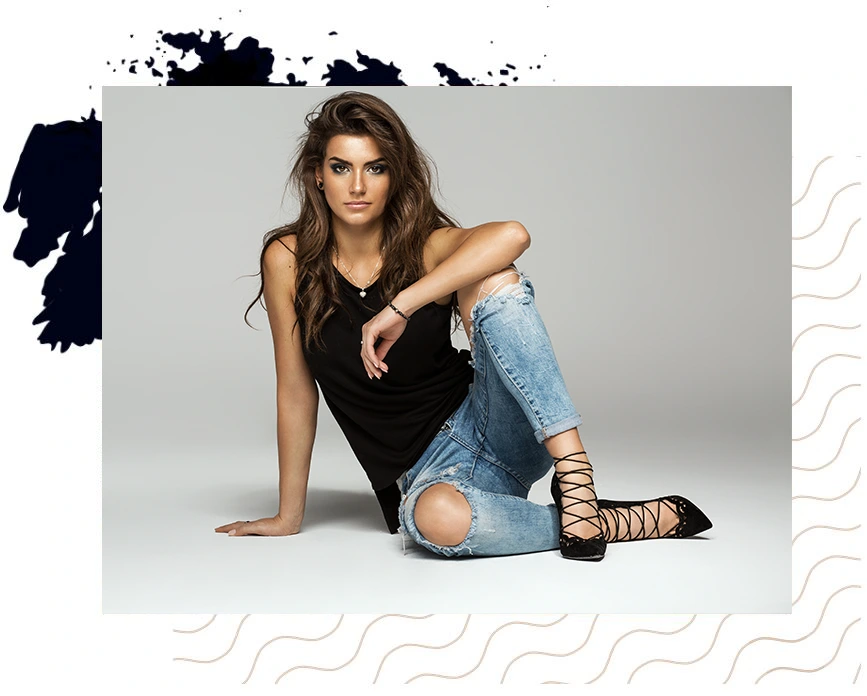
Footwear helps define the proportions and overall balance of modern silhouettes. A block heel can balance the volume of a wide-leg trouser, while a delicate stiletto adds refinement to a simple slip dress. Choosing the right footwear involves considering heel shape, shoe proportions, and how each design complements or contrasts with an outfit while influencing posture and visual balance.

Minimalist dress with mules
The dress’s clean lines pair naturally with the understated shape and backless design of mules.

Tailored suit with platforms
A substantial platform sole introduces height and a contemporary contrast to the structured lines of classic tailoring.

Flowing skirt with straps
Lightweight strappy sandals complement the flowing skirt without overpowering the fabric’s natural movement.

Wide-leg denim and boots
A fitted ankle boot creates a defined footwear silhouette beneath the generous proportions of wide-leg denim.
Resort style
Beyond the Beach: The Essence of Resort Wear
Resort wear extends beyond functional swimwear to include versatile clothing suited to different moments of a holiday. Practical materials such as quick-dry fabrics and UV-protective textiles can be incorporated into comfortable designs that move from poolside relaxation to casual evening activities. Pieces such as flowing kaftans, airy linen trousers, and lightweight sarongs offer breathable styling options for warm climates while maintaining an elegant appearance. By emphasizing lightweight layering, relaxed silhouettes, and adaptable combinations, these garments support practical vacation wardrobes without compromising personal style.
Skin routine
A Methodical Approach to Skin Health
Building an effective routine
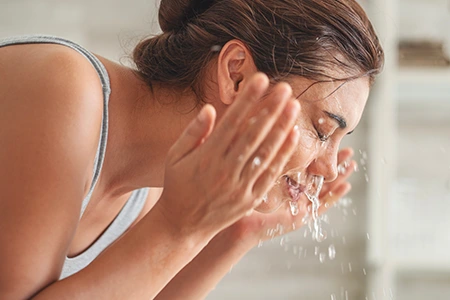
The foundational cleansing phase
Gentle facial cleansing removes surface impurities while helping preserve the skin’s natural barrier.
Double cleansing.
Targeted treatments with serums
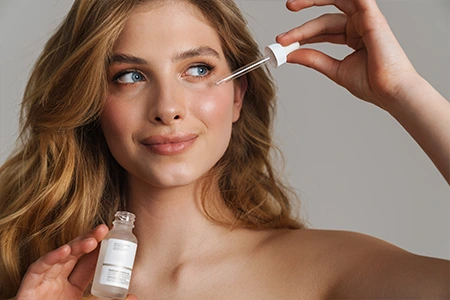
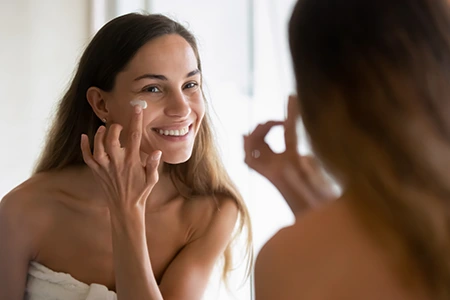
Targeted facial serums deliver concentrated active ingredients, including hyaluronic acid, as part of a skincare routine addressing individual skin concerns.
Active ingredients
The importance of hydration and protection
Maintaining skin hydration and incorporating appropriate sun protection help limit moisture loss and exposure to environmental factors such as UV radiation.
Style accessories
Defining a Look with Jewellery and Accessories
Carefully selected fashion accessories can provide a visual focal point, complement clothing proportions, and express individual preferences. A statement necklace introduces a bold accent, while delicate chains offer subtle layering possibilities and a signet ring adds a more traditional jewellery detail. Material choices also influence the overall effect, from the warm tones of precious metal alloys to the cooler finish of polished silver and the varied colors of gemstones. Beyond jewellery, a structured leather clutch, a silk scarf, or a well-crafted belt combines everyday functionality with decorative value, helping create a coordinated outfit.
Hair care
Foundations of Hair Health and Creative Styling
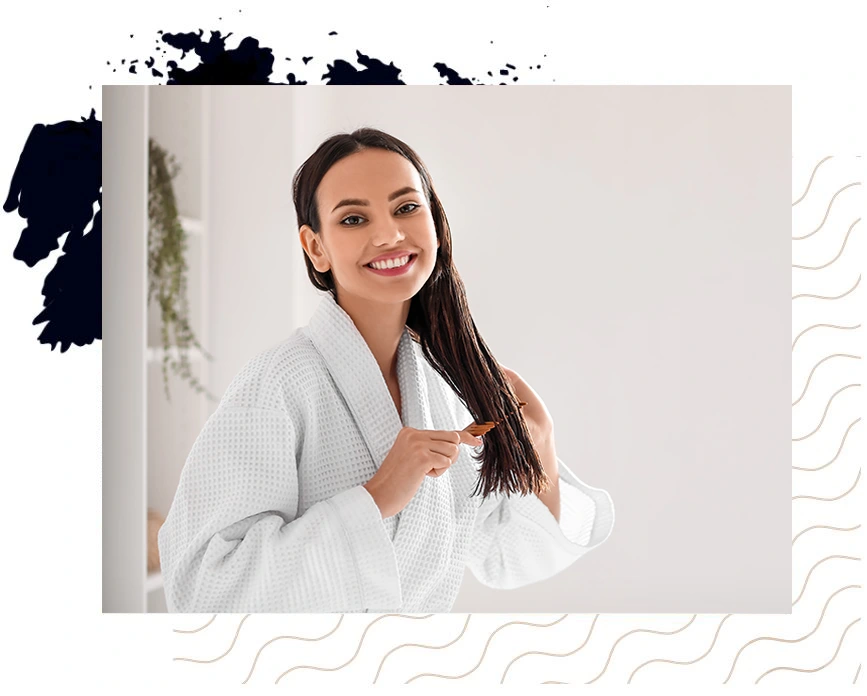
A balanced haircare routine begins with scalp care, which supports a healthy environment for hair growth and helps maintain scalp comfort. Gentle washing methods, including sulfate-free cleansing when appropriate, combined with conditioning, help manage dryness and maintain hair softness. Additional treatments such as hair masks can improve the feel of dry or damaged strands, particularly after repeated heat styling or environmental exposure. Consistent care aims to minimize breakage, support the condition of the hair shaft, and enhance natural hair texture.
Hair styling builds on this foundation through products and techniques that create definition, hold, and texture while limiting unnecessary stress on the strands. Heat protectant sprays help reduce heat-related damage during styling, while volumizing mousses can add lift at the root. Achieving a consistent result involves balancing hair condition, product selection, and styling techniques suited to the desired finish.